.png)
 WhatsApp

NVIDIA GeForce GT 1010
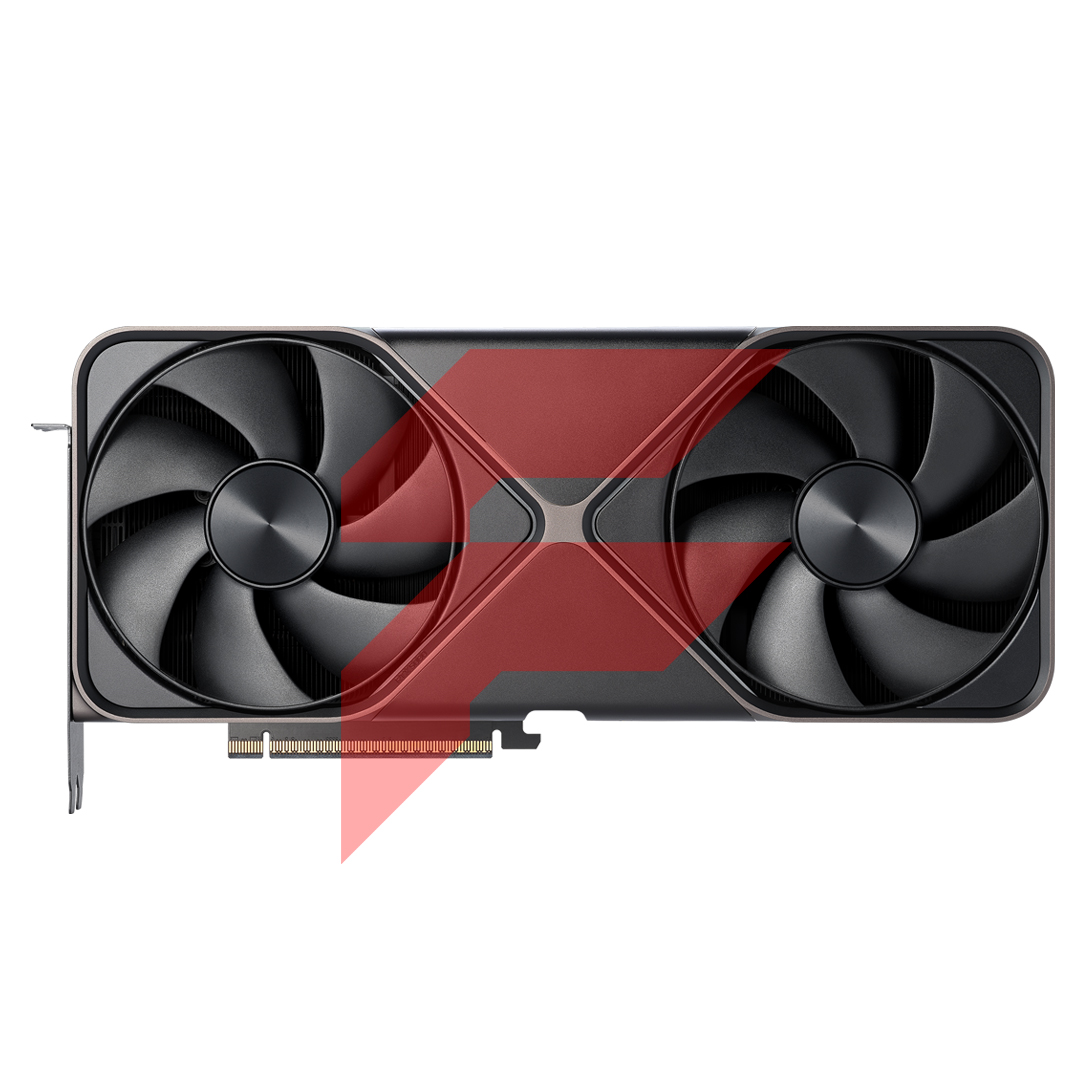
NVIDIA GeForce GT 1010 is an entry-level desktop graphics card designed primarily for basic display output, everyday computing, and light graphics workloads
The NVIDIA GeForce GT 1010 is an entry-level desktop graphics card designed primarily for basic display output, everyday computing, and light graphics workloads. Based on NVIDIA's Pascal architecture, it features 2GB of GDDR5 video memory, 256 CUDA cores, and a low 30W rated power consumption.
The GeForce GT 1010 is intended for users who need a dedicated graphics card for basic desktop applications, multiple-display setups (depending on the card's outputs), and older or less demanding games. It is not designed for modern AAA gaming, professional 3D rendering, or demanding AI workloads. Its suitability depends on the applications you use, your system configuration, and its current market price.
Important model distinction: The standard GT 1010 uses GDDR5 memory, but a separate GT 1010 DDR4 variant also exists. This guide primarily covers the GDDR5 version and identifies differences where relevant.
The NVIDIA GeForce GT 1010 belongs to the GeForce 10 Series and uses the Pascal GPU architecture. It is powered by the GP108 graphics processor, manufactured using a 14nm process.
The graphics card features 256 CUDA cores, a boost clock of up to 1,468 MHz, and 2GB of GDDR5 memory. Its low power consumption and compact single-slot implementations make it suitable for certain office desktops and systems that need basic dedicated graphics capabilities.
Its main advantages include low power requirements, basic GPU acceleration, and compatibility with older desktop platforms that support its PCIe interface. However, its limited processing power and 2GB VRAM capacity make it unsuitable for demanding modern gaming and intensive creative applications.
| Memory Bandwidth | Approximately 48.1 GB/s |
| GPU Core Count | 256 CUDA Cores |
| Base Clock | 1,228 MHz |
| Boost Clock | 1,468 MHz |
| Total Graphics Power | 30W |
| Recommended System Power | 200W |
| GT 1010 GDDR5 | GT 1030 GDDR5 | Radeon RX 550 |
|---|---|---|
| Architecture: Pascal | Architecture: Pascal | Architecture: GCN 4.0 |
| VRAM: 2GB | VRAM: 2GB | VRAM: 4GB |
| Memory Type: GDDR5 | Memory Type: GDDR5 | Memory Type: GDDR5 |
| Memory Interface: 64-bit | Memory Interface: 64-bit | Memory Interface: 128-bit |
RAM
8GB minimum; 16GB recommended
Supports multitasking and everyday applications
Why Buy from Famberz Built?
Looking for a graphics card for your next PC build? Famberz Built helps customers explore PC components and choose products suited to their requirements.
Before purchasing the NVIDIA GeForce GT 1010, compare available models, current pricing, warranty terms, and compatibility with your system. If you are considering this graphics card for an older desktop, make sure its performance meets your requirements.
For current availability, pricing, and purchase assistance, visit famberzbuilt.in or explore the Famberz Built app.
NVIDIA GeForce GT 1010 — Frequently Asked Questions
Q: Is the NVIDIA GeForce GT 1010 good for gaming?
A: The NVIDIA GeForce GT 1010 is not designed for modern gaming. It can handle some older and lightweight games at lower graphics settings, but its 256 CUDA cores and 2GB VRAM limit its gaming capabilities.
Q: How much VRAM does the NVIDIA GeForce GT 1010 have?
A: The standard NVIDIA GeForce GT 1010 comes with 2GB of GDDR5 video memory. A separate DDR4 version is also available.
Q: Is the NVIDIA GeForce GT 1010 good for 1080p gaming?
A: It can run certain older and lightweight games at 1080p with reduced graphics settings. However, it is not recommended for demanding modern games.
Q: Is the NVIDIA GeForce GT 1010 good for 1440p gaming?
A: No. Its limited GPU processing power and 2GB VRAM make it unsuitable for most 1440p gaming workloads.
Q: Can the NVIDIA GeForce GT 1010 handle 4K gaming?
A: The GT 1010 is not designed for 4K gaming. Although display output capabilities depend on the specific card, its gaming performance is insufficient for demanding 4K titles.
Q: Does the NVIDIA GeForce GT 1010 support ray tracing?
A: No. The GT 1010 uses Pascal architecture and does not include dedicated ray-tracing cores.
Q: Does the NVIDIA GeForce GT 1010 support upscaling or frame generation?
A: No. The GT 1010 does not support NVIDIA DLSS or DLSS Frame Generation. These technologies require newer compatible graphics hardware.
Q: Is the VRAM capacity enough for modern games?
A: Its 2GB GDDR5 memory is limited for modern games. It is more appropriate for older games, basic graphics applications, and everyday desktop workloads.
Q: Is the NVIDIA GeForce GT 1010 good for video editing?
A: It can handle basic display-related tasks and some supported GPU-accelerated operations. However, its limited CUDA performance and memory make it unsuitable for demanding video editing projects.
Q: Is the NVIDIA GeForce GT 1010 suitable for AI workloads?
A: It supports CUDA 6.1, but its 2GB VRAM and older Pascal architecture limit compatibility and performance with modern AI applications. It is not recommended for serious AI workloads.
Q: What power supply does the NVIDIA GeForce GT 1010 require?
A: A commonly listed system power recommendation is approximately 200W. The standard GDDR5 version has a 30W graphics power rating and generally does not require an additional PCIe power connector.
Q: Which processor should I pair with the NVIDIA GeForce GT 1010?
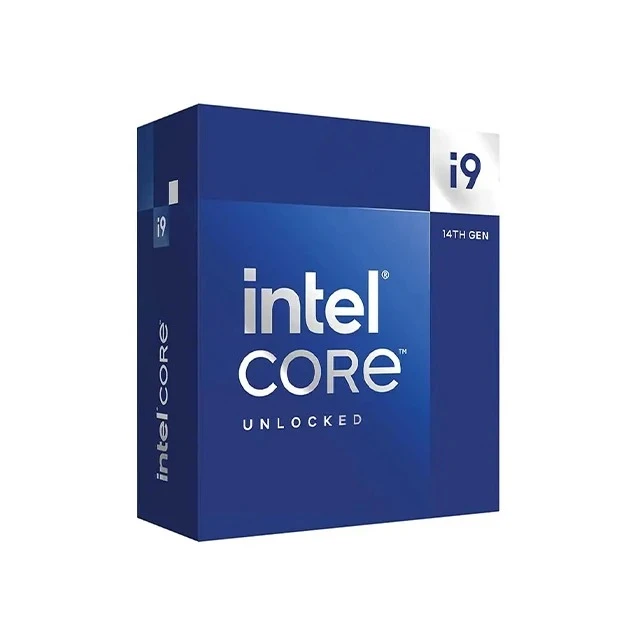
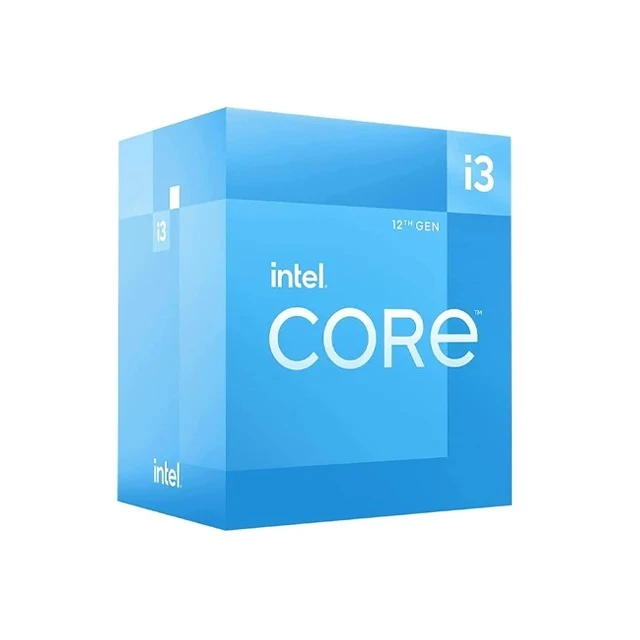
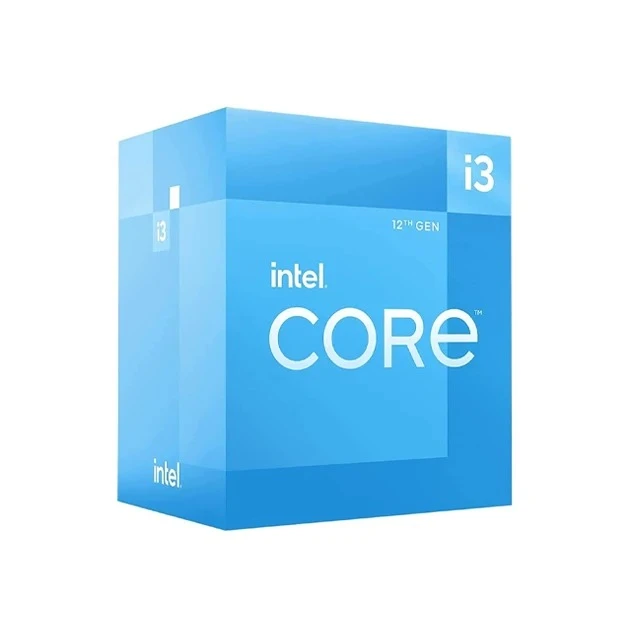
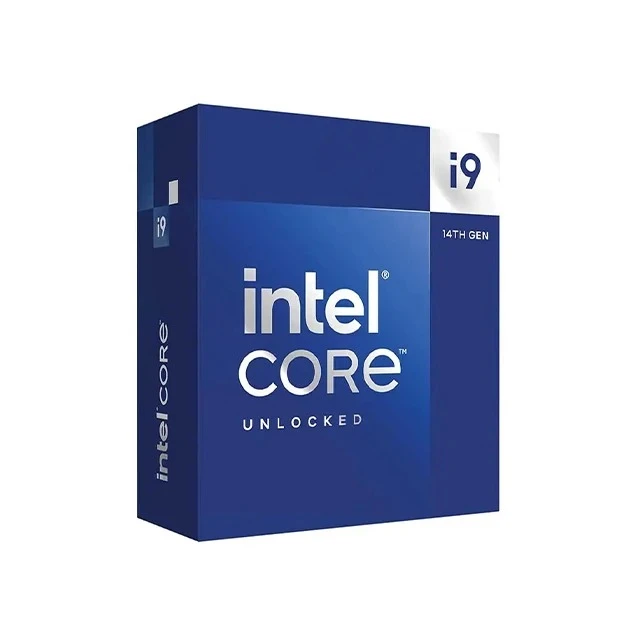
A: An Intel Core i3 or AMD Ryzen 3 processor is sufficient for a basic desktop system using this graphics card. There is little benefit in pairing it with an expensive high-end gaming processor.
Q: How much RAM should I use with the NVIDIA GeForce GT 1010?
A: 8GB RAM is a basic starting point for everyday computing, while 16GB is recommended for smoother multitasking and general desktop usage.
Q: Is the NVIDIA GeForce GT 1010 better than the NVIDIA GeForce GT 1030?
A: Generally, no. The GT 1030 GDDR5 has 384 CUDA cores compared with the GT 1010's 256 CUDA cores, making it a more capable graphics card for lightweight gaming and graphics workloads.
Q: Is the NVIDIA GeForce GT 1010 worth buying?
A: The GT 1010 may be worth considering for basic display output, low-power desktop systems, or an inexpensive dedicated graphics solution. However, it is not recommended if gaming or content creation is your priority. Its value depends heavily on its used-market price and available alternatives.
Q: Who should buy the NVIDIA GeForce GT 1010?
A: The GT 1010 is primarily suitable for users who need basic dedicated graphics, everyday desktop functionality, or a low-power graphics card for an older compatible PC. It is not intended for modern gaming, professional rendering, or demanding AI applications.